

The Global Surgical Package
Components of the Global Surgery Package:
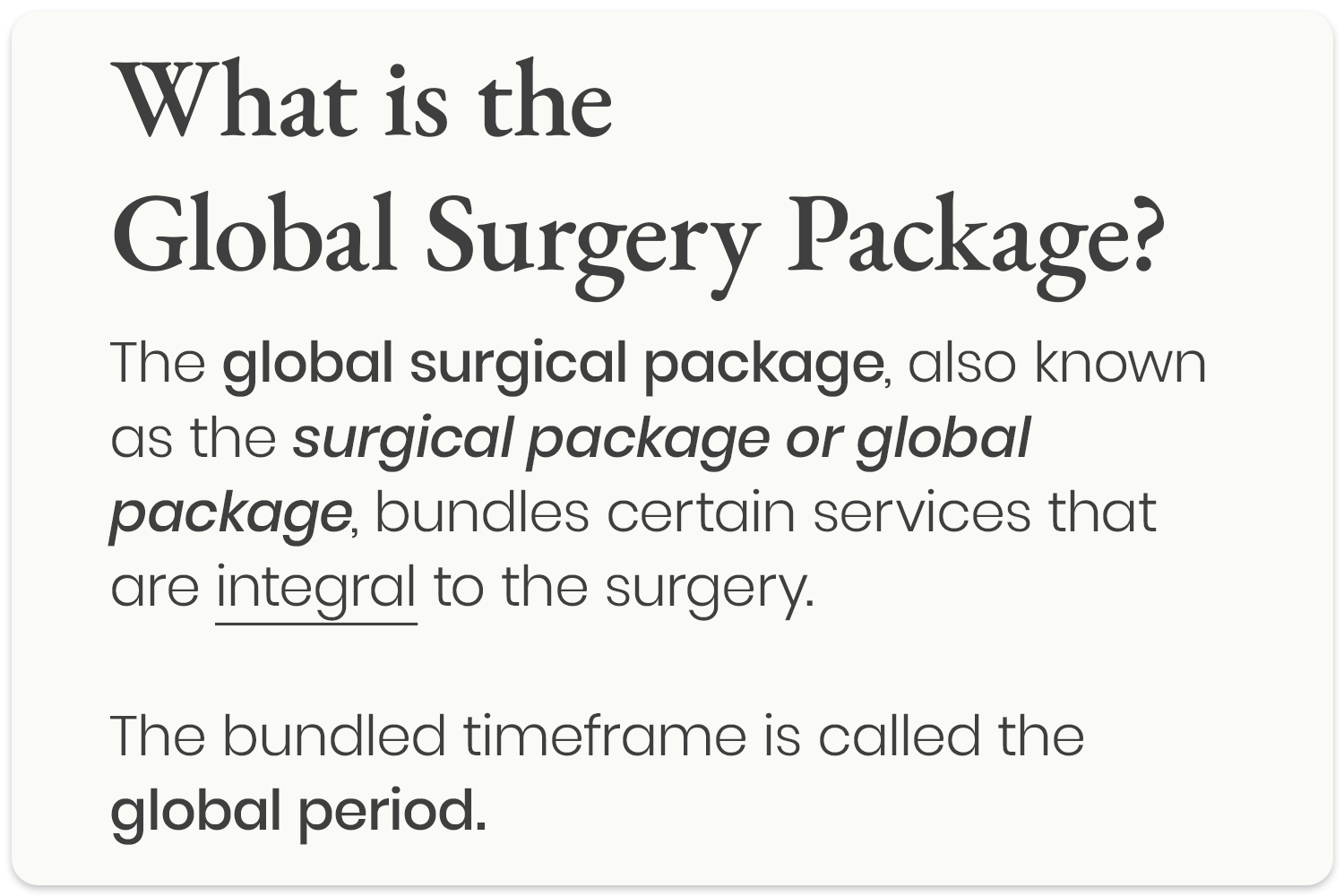
The global surgical package includes all routine services typically provided by the physician (or by members of the same group practice and specialty) before, during, and after a procedure. Physicians within the same group and specialty must bill and receive payment as if they were a single provider.

Pre-Operative visits after the decision to operate.
For Major Procedures: preoperative visits the day before surgery is included.
For Minor Procedures: pre-operative visits on the surgery day are included.
Intra-Operative services, normally an integral part of a surgical procedure.
This includes supplies (except exclusions) and services like:
Dressing changes (intra or post op)
Local incision care
Insertion, irrigation, and removal of urinary catheters, routine peripheral intravenous lines, nasogastric and rectal tubes

Post-Operative services and visits, including:
Medical or surgical services the surgeon provides during the post-op period because the complications don’t require more trips to the operating room (OR).
Follow-up post-op recovery period visits
Post-surgical patient pain management
Removal or operative packs
Removal of cutaneous sutures and staples, lines, wires, tubes, drains, casts, and splints
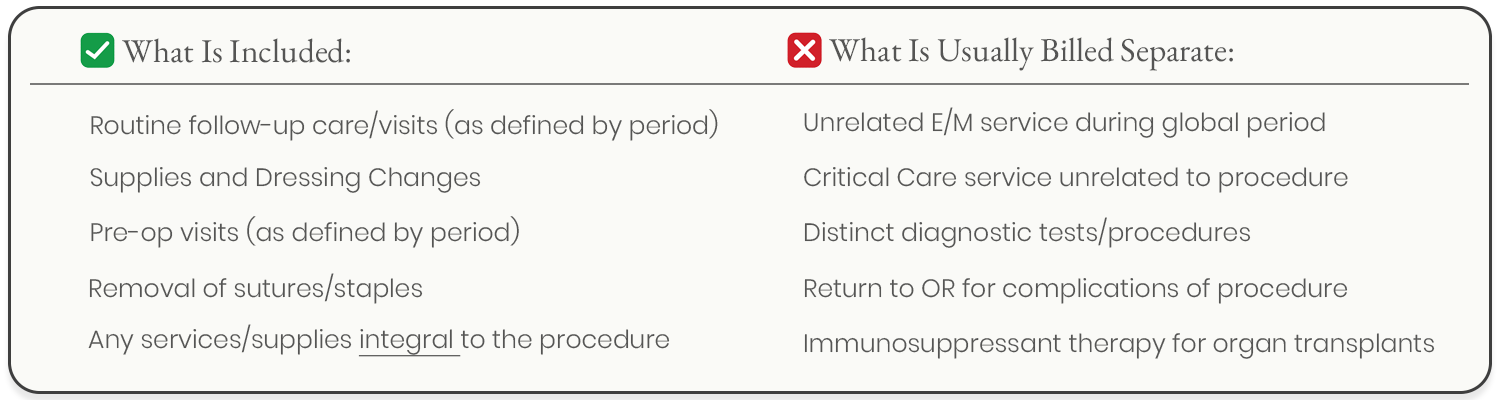
NOT included:

Special Circumstances
Immunosuppressant therapy for organ transplants
Critical Care Services unrelated to surgery
Other providers’ related services, except when there is an agreed upon transfer of care between the surgeon and other providers (Documentation of this agreement or annotation MUST be documented in the patient’s medical record)
Treatment of post-operative complications requiring a return to the OR (Operating Room)
Unrelated/Distinct Procedures
Clearly distinct procedures during the post-operative period
Debridement from different provider during treatment of fracture/dislocation
Visits that are unrelated to the surgical diagnosis
Separate E/M service on the same day as a minor procedure
Diagnostic tests and/or procedures, including diagnostic radiological procedures
Any service not typically part of the surgical procedure
Treatment for underlying condition or added course of treatment (not normally part of normal surgery recovery)
The Global Period
Each CPT/HCPCS surgery code is assigned a global period, or the post-op period, determined by CMS based on the procedure’s classification as minor (000, 010) or major (090).
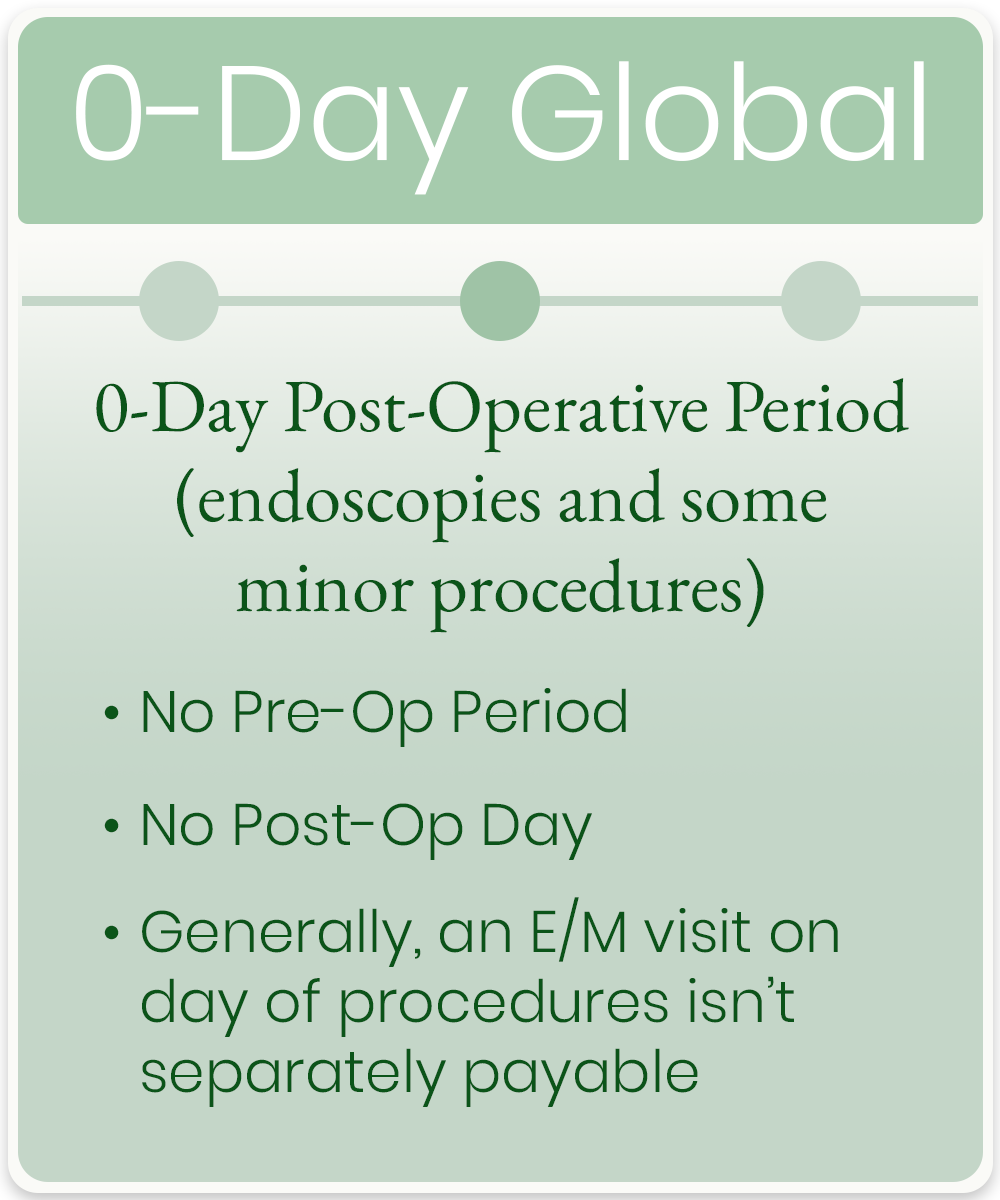
0-Day Global Period
The 0-Day period covers only the procedure itself. There is no pre-op or post-op period.
It applies to endoscopies and some minor procedures.
Common examples include:
Acne Surgery (CPT 10040)
Certain Debridement Procedures (e.g., 11042)
Certain Injections/Aspirations (e.g., 20610)
Endoscopies (e.g., 31255)
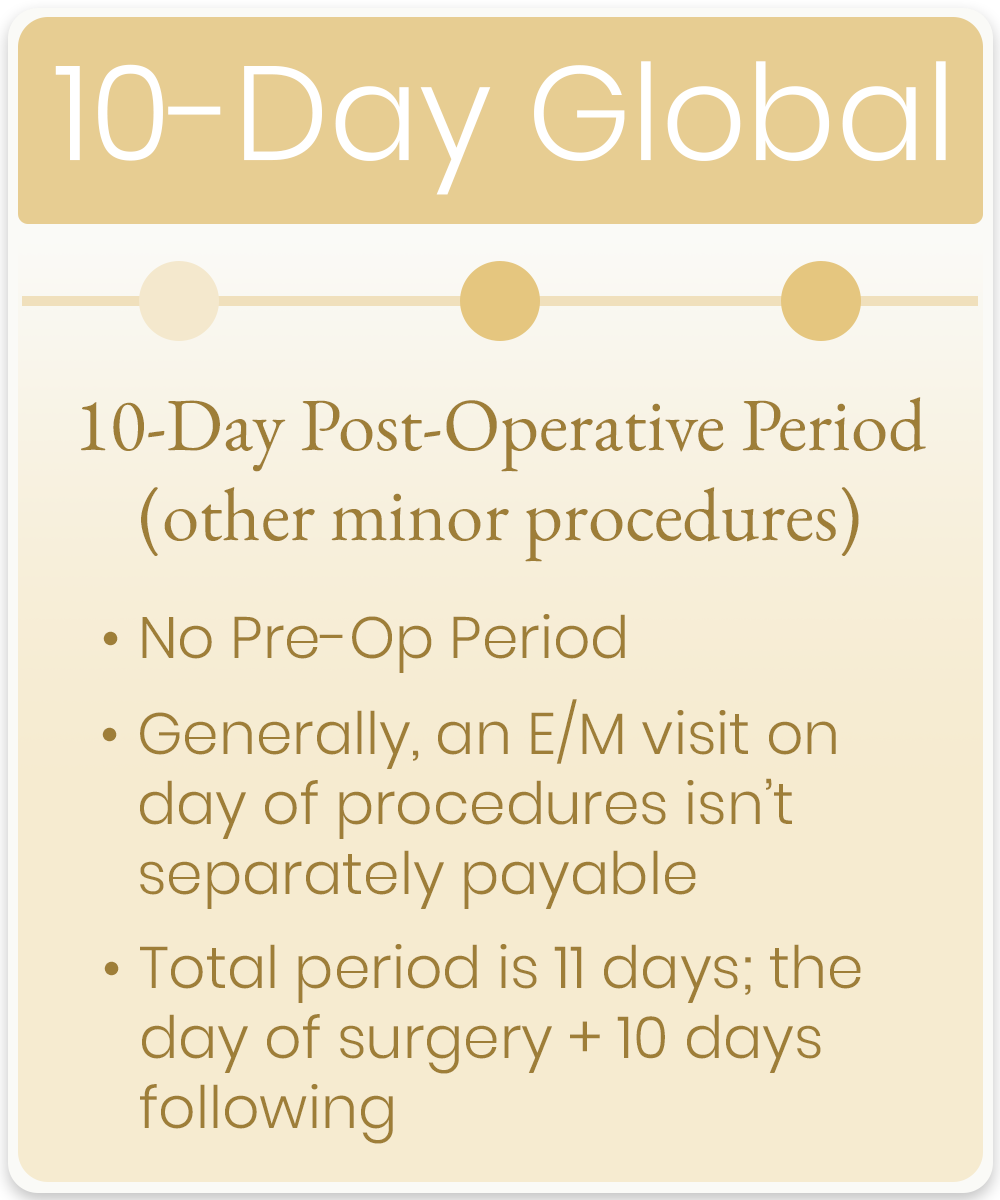
10-Day Global Period
The 10-Day period covers the procedure plus routine post-operative care for 10 days. This actually makes the global period 11 days total.
Routine follow-up, such as suture removal or wound check should not be billed separately.
Common examples include:
Benign lesion excision(s) (e.g., 11401)
Destruction of malignant skin lesions
Small laceration repairs
Simple wound repairs (e.g., 12002)
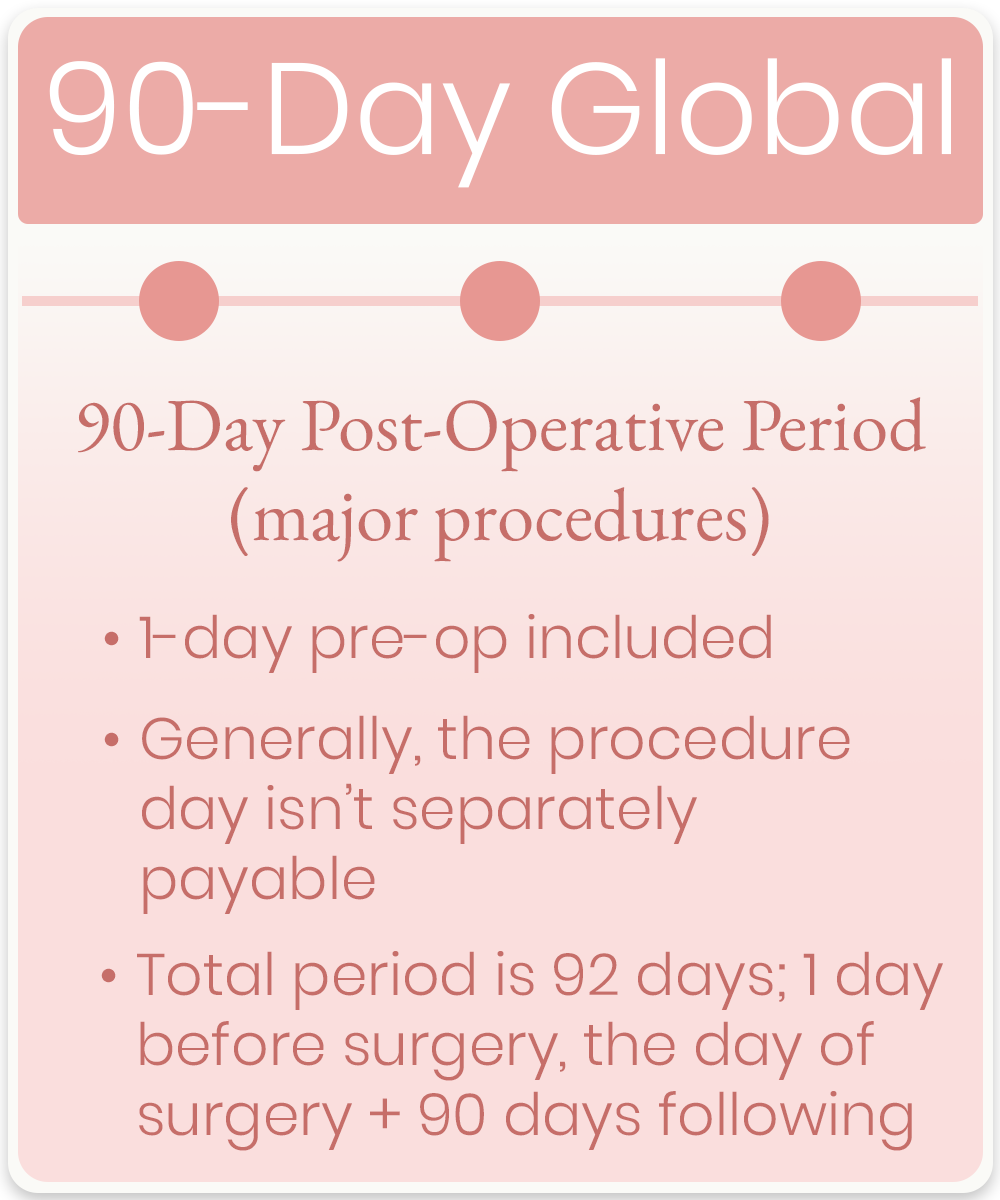
90-Day Global Period
The 90-Day period covers one day of pre-operative care, the procedure, plus routine post-operative care for 90 days. This actually makes the global period 92 days total.
All routine follow-up visits, wound care and suture removal, pain management and minor complication treatment is included.
Common examples include:
Hip replacement procedures
Major cardiovascular surgeries
Total knee replacement (e.g., 27447)
The following modifiers are appended to services performed during a surgery’s global period to indicate that a service is unrelated, distinct, or meet a specific criteria:
Global Period Modifiers
Modifier 24 - Unrelated E/M During the Post-Op Period
Used when an Evaluation & Management (E/M) service, unrelated to the surgery, is provided during the post-operative global period.
Documentation must clearly support the unrelated service.
Example:
Patient on post-op day 7, E/M visit for headache unrelated to surgery
E/M Code - Mod 24
Used on the day of a minor procedure or during a global period if an E/M visit is performed separately from the procedure or decision making visit.
Modifier 25 is only appended to E/M services.
Example:
Patient presents with forearm lesion that requires a shave removal. Patient also complains of shoulder pain, in which the provider performs a comprehensive exam.
Shave Removal (e.g., 11300) + E/M Code - Mod 25
Modifier 25 - Significant, Separately Identifiable E/M Service on Same Day as Procedure
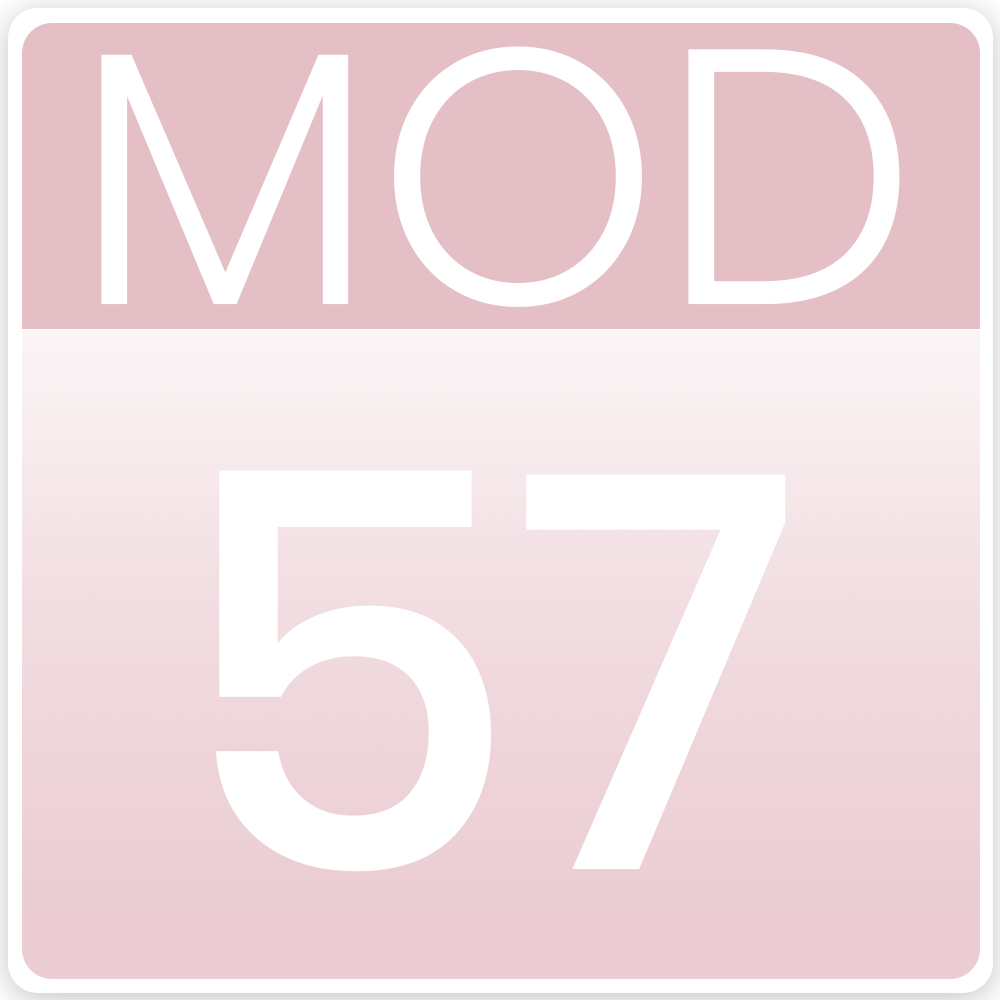
Modifier 57 - Decision for Major Surgery
Used only for major procedures (90-day global) and is appended to the E/M service on the day before or same day as surgery
Indicates the visit resulted in the decision to perform surgery
Example:
An E/M encounter leads to deciding on a total hip replacement surgery tomorrow morning.
E/M Code-Mod 57; The surgical CPT code is reported on the date of surgery with no modifier
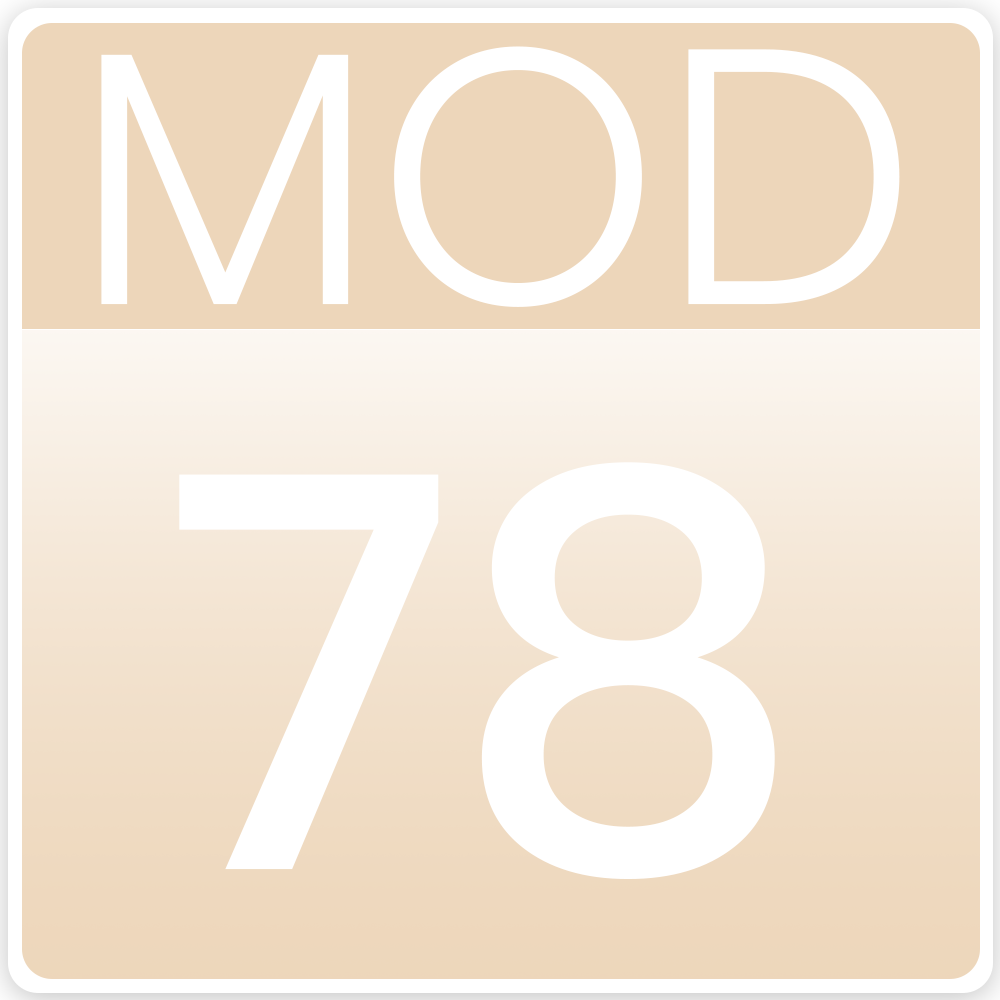
Modifier 78 - Return to OR for a Related Complication(s)
Used when the patient returned to the Operating Room during the global period and it is related to the initial procedure.
Indicates a separate OR procedure is performed
Example:
An E/M encounter leads to deciding on a total hip replacement surgery tomorrow morning.
E/M Code-Mod 57; The surgical CPT code is reported on the date of surgery with no modifier
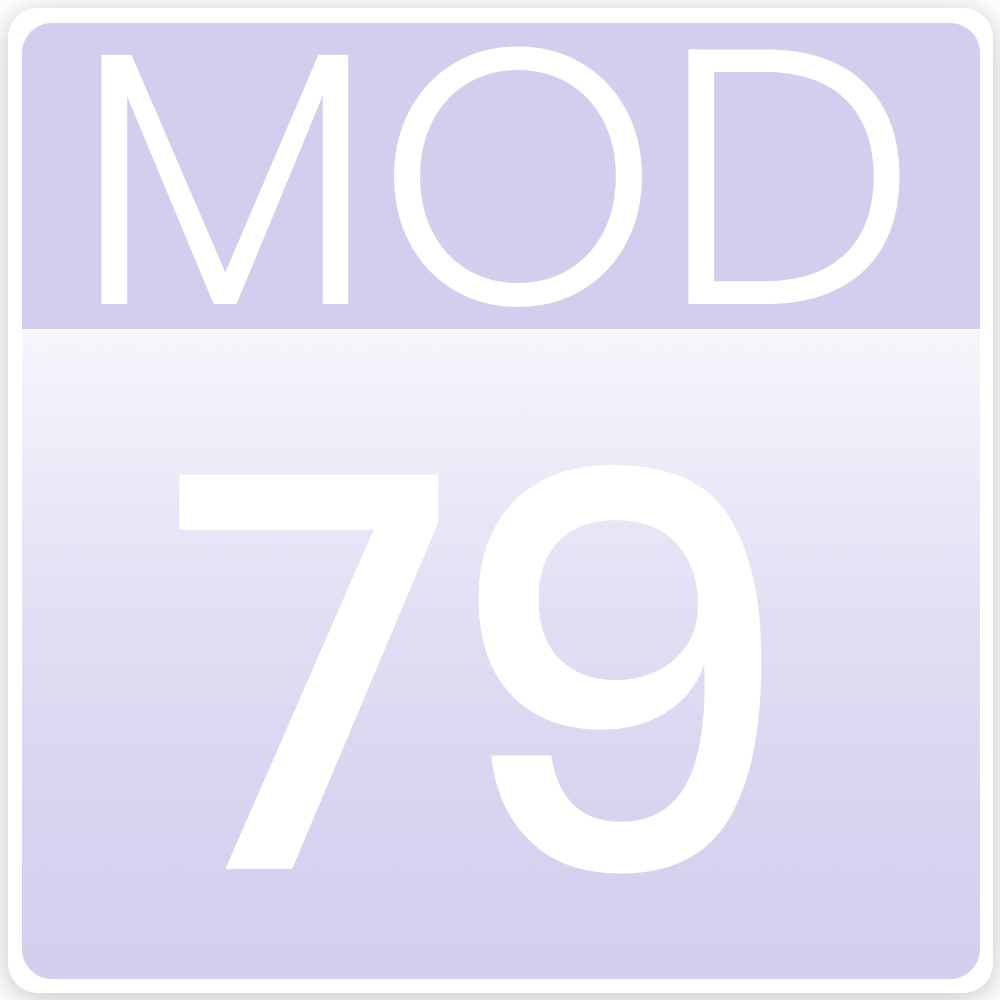
Modifier 79 - Unrelated Procedure or Service During Global Period
Used when a different procedure is performed during the global period and is unrelated in both condition and anatomy
Must not be bundled into the original global package
Example:
A patient is on post-op day 18 from a knee surgery but presents to have a small lesion removed on their upper arm.
New procedure code (e.g., 11300) - Mod 79
How to Find the Global Period for CPT/HCPCS
The CPT book tells you what the procedure is, but not the amount of Medicare global days.
Here’s the most up-to-date and free way to find the Global Period for each code.
The “Global Days” is listed in the “O” Column of the excel sheet:
000 - No global days; identify endoscopies and some minor surgical procedures
010 - 10-day post-op period (11 days total); identify other minor procedures
090 - 90-day post-op period (92 days total); identify major surgeries
MMM - Maternity codes; global concept does not apply
XXX - global concept does not apply
YYY - 0, 10, or 90 days; identifies contractor-priced codes
ZZZ - Surgical Add-On codes; must be billed with another service
2. Once you download and open the zipped folder “rvu26a” from CMS’s website, open the excel file titled “PPRRVU2026_Jan_nonQP” or “PPRRVU2026_Jan_QP” based on whether you’re billing for a Qualifying (APM) Participant or a non-Qualifying (APM) Participant.
3. Once you’re excel sheet is open, you can “ctrl +f”, type in the code you’re looking for and click “Find next”
CMS Website: CMS PFS Relative Value Files
Other software like Codify (by AAPC), Find-A-Code, and Optum Pro Encoder offer built-in global period calculators and indicators but may require a subscription.
Summary -
In many CPB and CPC courses the global surgical package gets covered, but not always in a way that clicks for coders. Essentially, the global surgical package is Medicare’s way of saying, “That’s included in our payment for the procedure.”
The global surgical package includes routine care tied to the surgery. Medicare bundles this so it’s generally not billable separately
The global period is set by CMS based on the procedure’s classification as minor (000, 010) or major (090)
Knowing what is bundled vs isn’t bundled prevents claim denials and boosts coding confidence.
Use the right modifiers to report non-routine or unrelated services correctly.